
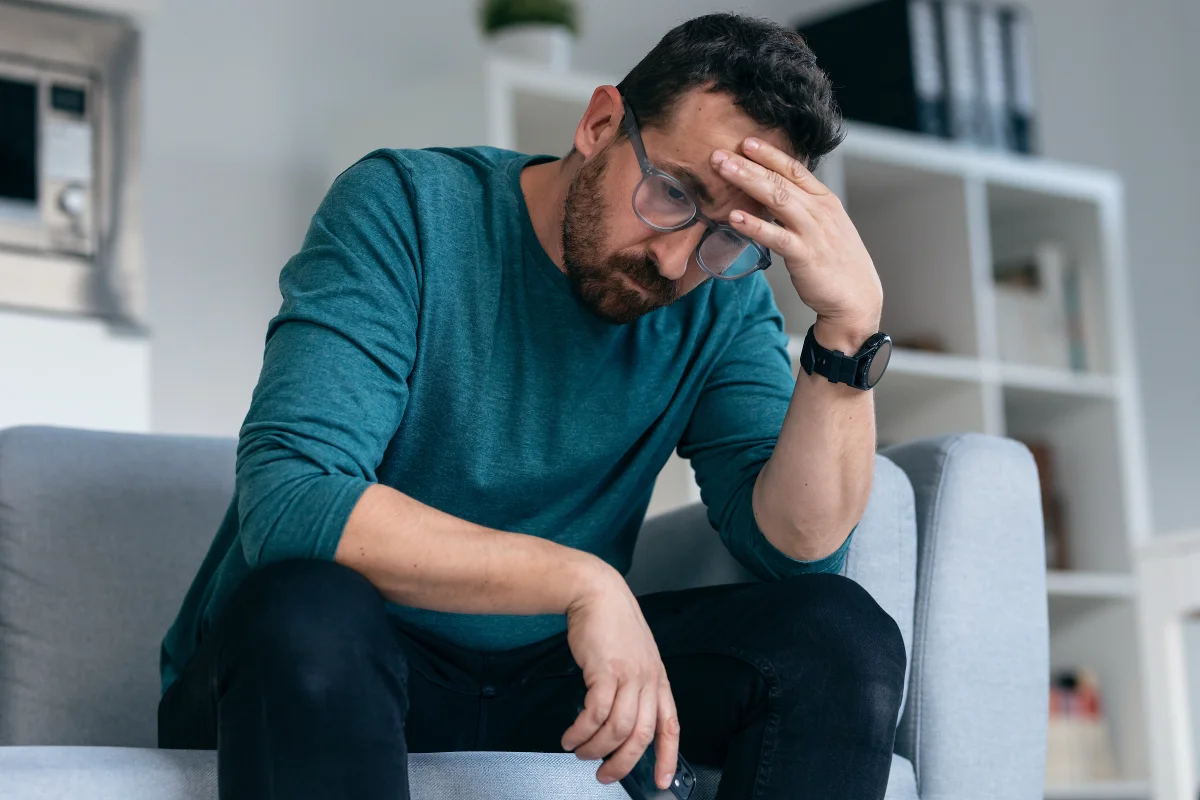
Erectile dysfunction myths often stop men from getting the help they need. They create confusion and unnecessary shame. Many believe ED is just part of aging or that it’s only “in your head.” In reality, most cases are linked to blood flow, hormones, or other health issues.
It’s normal for anyone to have occasional performance challenges. However, if the problem keeps repeating itself, it’s usually your body signaling that something deeper is going on. It's possible your vascular system or hormonal system needs attention.
Breaking down these erectile dysfunction myths is the first step to regaining confidence. ED is a medical condition, not a personal failure. The good news is, it’s highly treatable. At PG Men’s Health, we provide a judgment-free space where men in Florida can learn the facts and explore solutions tailored to their health needs.
Unfortunately, men’s health is full of misinformation. Sexual health is a sensitive topic, and many avoid talking about it openly. When that happens, erectile dysfunction myths spread through locker-room talk or questionable online advice.
This silence can make men believe their situation is permanent or hopeless. In reality, most cases are far more treatable than assumed.
Some myths push the idea that ED means you need a “magic pill” or that your sex life is over. Others suggest it only affects older men. That’s certainly untrue. Proof? We have helped many men of all ages at our Tampa and Sarasota clinics. Once you strip away the fiction, you stop feeling like you’ve failed and start seeing ED as a health puzzle with solutions.
Are erection issues mental or physical? One of the most common beliefs is that ED is purely mental. You’ve probably heard, “It’s all in your head, just relax.” While it’s true that stress, anxiety, and relationship tension can play a role, most chronic cases have a physical cause.
Your brain starts the process, but your blood vessels finish it. If the plumbing isn’t working, no amount of “relaxing” will fix the underlying issue.
That said, mental factors can create a “feedback loop.” One bad night can lead to anxiety, which makes the next time harder. This doesn’t mean you have a mental health disorder. It just means your nervous system is interfering with your circulation.
At PG Men’s Health, we treat the whole man. Physical factors, such as low testosterone levels, are often the main culprits. We also address the ripple effect on mental health. That way, you can feel confident again, both physically and emotionally.
You’ve probably wondered while sipping your third cup of coffee: Can too much caffeine cause ED? It’s a fair question, especially if coffee is your daily fuel.
The surprising truth is that moderate caffeine can actually help. It works as a vasodilator, relaxing blood vessels and supporting blood flow. Some studies even suggest that men who drink a couple of cups a day may be less likely to experience ED compared to those who skip coffee altogether.
The issue comes with excess. If caffeine leaves you jittery, anxious, or sleepless, your body goes into high-stress mode. Over time, that can raise your heart rate and blood pressure, which isn’t great for vascular health. So, enjoy your coffee, but keep it balanced. If caffeine is covering up chronic fatigue, that’s a bigger factor to address.
When performance changes show up, many men wonder: Is impotence genetic? It’s easy to worry you’re destined for the same struggles as your father or grandfather.
Here’s the reality: there isn’t a single “ED gene” passed down like eye color. You’re not “broken” just because a relative had similar issues. What does get passed down are conditions like diabetes, high blood pressure, and heart disease – all of which can contribute to ED.
Therefore, while ED itself isn’t directly inherited, family history can highlight risks. If cardiovascular problems run in your family, sexual health might be the first place those issues appear. The good news is that with proactive care and a personalized treatment plan, you can often stay ahead of those risks. In short, your DNA isn’t your destiny.
One of the most damaging erectile dysfunction myths is that once ED starts, it only gets worse. That can be a pretty scary thought. However, it's simply untrue. You might wonder, can ED be temporary? Absolutely, yes!
Life throws all kinds of challenges at people: stress at work, recovering from illness, or starting a new medication. Those things can disrupt your body for a while, but as soon as the stress calms down or your body adjusts, things in the bedroom often go back to normal.
Knowing ED can be temporary takes away some of the pressure. A missed moment due to fatigue or too much alcohol isn’t really a cause for panic. If these episodes start happening often, it’s smart to get checked. Early attention usually means faster recovery. At our Florida clinics, we help men find out whether it’s just a passing phase or something that requires targeted treatment, such as Acoustic Wave Therapy.
There’s plenty of talk about heat and erectile dysfunction. Some say hot tubs, saunas, or tight clothing can cause problems. They worry that high temperatures might “wilt” performance.
Here’s the truth: while heat can affect sperm production, it doesn’t usually cause ED. Erections depend on blood flow and nerve signals, not skin temperature.
That said, heat can play an indirect role. If you’re dehydrated or experiencing heat exhaustion, your blood volume drops, and your heart works harder. That makes it harder for your body to prioritize blood flow to the pelvic area.
So, enjoy the sauna or hot tub, but stay hydrated. Most erectile dysfunction myths about temperature are just that – myths. If you’re having trouble, the cause is usually more complex than the thermostat.
With the growing trend for intermittent fasting, many men are wondering: Does it hurt or help sexual health? The truth is, it depends on how you do it.
When fasting is short-term and structured, it can actually boost your vascular health and improve insulin sensitivity. Both are key to strong erections. It can also support medical weight loss, which is a big win for sexual vitality.
The problem starts when fasting goes too far. If you’re in a deep calorie deficit for too long, your body shifts into “survival mode.” That means shutting down non-essential systems – and your reproductive system is usually first in line. Extreme fasting can lower testosterone levels, making things harder in the bedroom.
So, can fasting cause ED? For most healthy men, the answer is no. However, balance is everything. Pair fasting with proper nutrition, and you’ll avoid turning myths into reality.
Is erectile dysfunction in winter a real thing? It might sound like a myth, but some men say they notice changes during colder months. Even in places like Tampa or Sarasota, where winters are mild, seasonal shifts can still play a role.
Less sunlight means lower Vitamin D and serotonin. Both affect energy, mood, and libido. If shorter days leave you feeling sluggish or “blue,” your desire and performance level can dip.
Lifestyle changes also matter. Winter often brings heavier comfort foods and less activity. That combo can slow circulation and add a few pounds, which makes recovery tougher.
It’s not the cold weather breaking your system; it’s the habits that come with it. Staying active and keeping nutrition on track year-round helps you avoid seasonal slumps.
A common question we hear is about the link between frequent urination and erectile dysfunction. Many men notice they’re waking up multiple times at night to use the bathroom and also struggling with performance. That leads to the idea that one causes the other.
In reality, they’re more like roommates than cause-and-effect. Both are common symptoms of Benign Prostatic Hyperplasia (BPH), or an enlarged prostate.
When the prostate enlarges, it can press on the urethra, affecting nearby nerves and blood vessels. On top of that, medications for urinary issues sometimes have side effects that make erections harder to maintain.
It’s a more complex picture than it seems. But the good news is that both issues can often be managed together. If you’re noticing these twin symptoms, it’s worth bringing them up with your doctor at your next consultation.
No. Your body changes with age, but ED isn’t inevitable. It’s a medical condition, often tied to blood flow and vascular health. With the right care, many men enjoy a healthy sex life well into their 80s.
Yes. Smoking damages the lining of your blood vessels, which disrupts the blood flow needed for an erection. Quitting is one of the best ways to improve sexual health naturally.
Not usually. Long-distance cycling on a poorly fitted seat can compress nerves. For most men, the cardiovascular benefits of cycling far outweigh the risks.
Yes, TRT can help treat ED if low testosterone is the cause. If the issue is more about blood flow, other treatments like Acoustic Wave Therapy may be a better fit.
Absolutely. Even healthy men can experience mental blocks from stress or pressure. It doesn’t mean something is “wrong.” It’s simply how the brain can interfere at times.
No. These unregulated products often contain hidden ingredients that can be dangerous, especially for men with heart conditions. A personalized treatment plan from a licensed provider is always safer.
A quick rule of thumb: if you still get morning or nighttime erections, the physical side is likely fine, and stress or anxiety may be the issue. If erections never happen, it’s more likely a vascular problem.
Erectile dysfunction myths only have power if you believe them. Once you see ED as a common, treatable medical issue – like high blood pressure – the fear starts to fade. You’re not alone, and you don’t have to settle for limited results.
Whether you’re wondering if ED runs in the family or if lifestyle changes are to blame, the best step is to get the facts from an expert. At PG Men’s Health, we help men in Florida cut through the noise and find solutions that fit their unique health profile. From Acoustic Wave Therapy to specialized weight management, we have the tools to help you feel like yourself again.
Take control of your health today. Waiting often makes recovery longer. If you’re ready to stop guessing and start improving, let’s talk.